
5 Hidden Cash-Flow Pitfalls That Sink Restaurants — And How to Avoid Them
Dec 19, 2025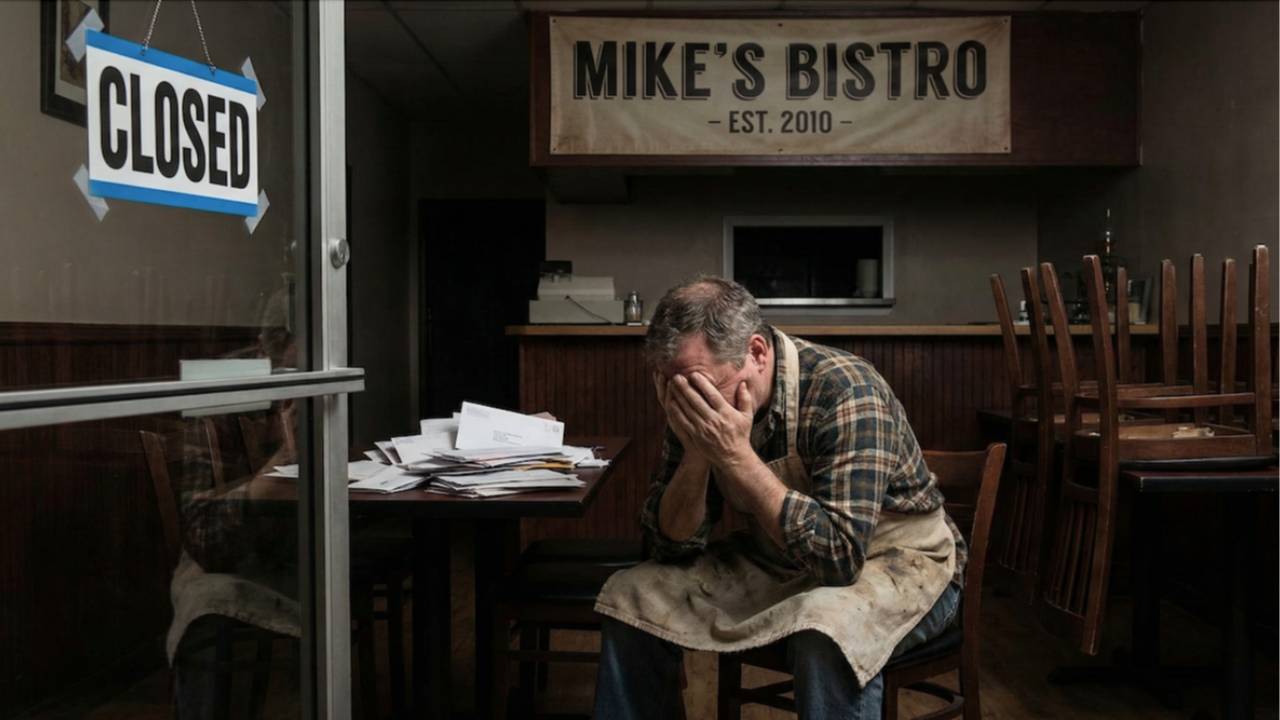
5 Hidden Cash-Flow Pitfalls That Sink Restaurants — And How to Avoid Them
“Most restaurants don’t fail because the food is bad — they fail because cash flow disappears.”
By Isaac Patterson Jr.
Running a successful restaurant takes far more than great food. In my work of managing underperforming restaurants and guiding new owners, I’m reminded of one truth over and over again:
Restaurants rarely fail because the food isn’t good — they fail because the money runs out.
Cash flow is the heartbeat of your operation. When it becomes irregular, everything else follows. Below are the five most common — and often overlooked — cash-flow pitfalls that quietly sink restaurants, along with practical steps to fix them before they become fatal.
1. Pitfall: Not Planning for Slow Months
Many restaurants open strong and assume the early momentum will continue. It won’t. Every restaurant — even in high-traffic areas — has natural highs and lows: weather shifts, seasonal travel patterns, holidays, events, local economy changes.
The problem isn’t the slow months. The problem is being unprepared for them.
What to do:
- Build a 12-month cash-flow forecast—even a simple spreadsheet works.
- Identify expected slow periods and allocate funds ahead of time.
- Reduce overtime and schedule leaner during predictable slumps.
- Build a “slow season reserve” equal to 2–4 weeks of payroll.
Cash flow is a forward-looking discipline. If you don’t predict the slow months, they will surprise you — and surprises are expensive.
2. Pitfall: Overstaffing During Low-Volume Hours
Labor is your largest controllable expense, which makes it your biggest opportunity — or your biggest leak. Owners often schedule based on feelings, not data:
- “Friday nights are always busy.”
- “We might get slammed.”
- “I want to be safe.”
But safe becomes expensive if you’re staffed for 60 covers and only serve 25.
What to do:
- Look at actual hour-by-hour sales and staff accordingly.
- Use scheduling tools to track trends, not just shift times.
- Cross-train employees so you can run leaner without sacrificing service.
- Use “on-call shifts” for unpredictable days.
Your staff should align with sales — not hopes, habits, or tradition.
3. Pitfall: Weak Inventory Controls and Food-Cost Blind Spots
Food cost leaks rarely happen in one big event. They happen in dozens of small ways: inconsistent portioning, inaccurate recipes, waste, expired product, over-ordering, walk-outs with product, theft, and comped meals not tracked properly.
Over time, these little leaks become a flood.
What to do:
- Conduct weekly inventory — without fail.
- Track actual vs. theoretical food cost and investigate variance.
- Use recipe costing cards for every menu item.
- Lock high-value inventory (steaks, liquor, specialty goods).
- Review vendor pricing regularly — vendors raise prices quietly.
Restaurants that master inventory never bleed money silently.
4. Pitfall: Ignoring Marketing When Business Is “Good”
This one surprises people, but it consistently hurts restaurants.
When dining rooms are full, owners often pull back on marketing. They assume demand is stable. They assume guests will return. They assume momentum will last.
But hospitality doesn’t work on autopilot. When business slows, it’s because you stopped giving people a reason to come back.
What to do:
- Schedule consistent weekly marketing regardless of sales trends.
- Maintain an active email list and push promotions/events.
- Encourage reviews and respond to them professionally.
- Capture guest data whenever possible (OpenTable, loyalty programs, in-house signup).
- Post weekly content on at least one social platform.
Marketing is not a switch you flip when things get slow — it’s fuel that must always be flowing.
5. Pitfall: Forgetting About Maintenance and Capital Costs
Everything in a restaurant ages: equipment, floors, plumbing, HVAC, furniture, POS hardware, bar tools, glassware, kitchen hoods, and refrigeration.
Ignoring these costs doesn’t save money — it delays an inevitable financial hit. A $200 part ignored today becomes a $10,000 shutdown tomorrow.
What to do:
- Create a quarterly preventive maintenance schedule.
- Put aside 1–3% of monthly sales into a capital reserve fund.
- Keep a list of all equipment with purchase dates, warranty info, and expected lifespan.
- Do a full facility walk-through once a month with leadership.
Maintenance is one of the best insurance policies you can give your business.
Final Thoughts: Fix the Leaks Before They Sink You
Restaurants don’t go under suddenly. They go under quietly — through unmonitored costs, unplanned slow seasons, unchecked labor, and unaddressed repairs.
The good news? Every pitfall above is entirely fixable with discipline, systems, and leadership.
If you want help identifying where your restaurant is leaking cash — or want a deep operational audit — I offer consulting services for restaurants, hotel F&B programs, and food-service operators at every stage.
Author